Lag Is a Squad Problem: A UK Connection Playbook for Calmer Comms
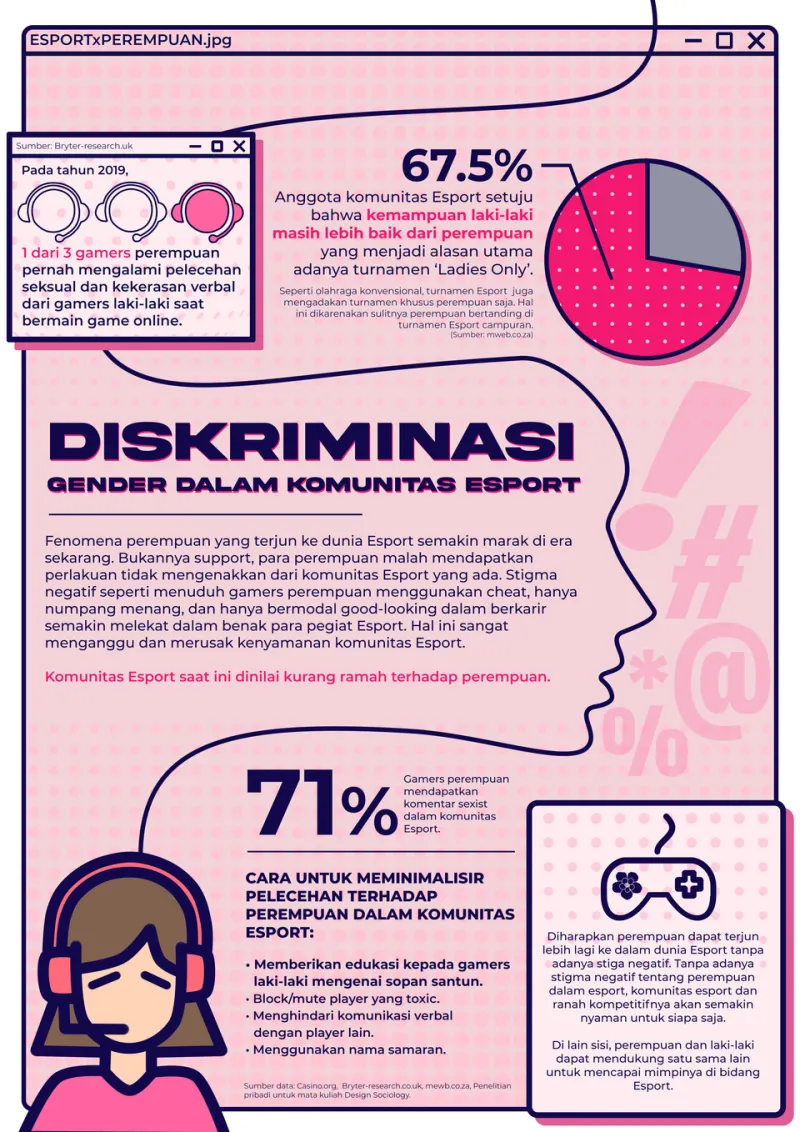
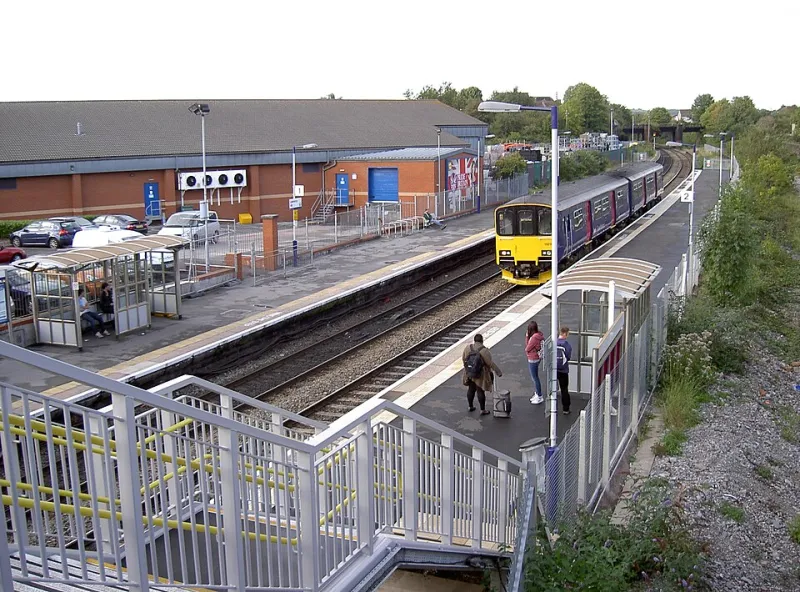
Photo: Valen Priscilla, CC BY-SA 4.0, via Wikimedia Commons
UK broadband is less a utility than a postcode lottery with a direct debit. One street gets symmetrical fibre and a router that could run a small airport; the next gets copper that sulks when it rains. In a squad, that mismatch shows up as a scoreboard argument at 9pm on a Tuesday. At Anubis Team, we do not treat a lag spike as a personality flaw. We treat connection quality as part of the session plan, like warm-ups or map vetoes.
Start With a Two-Minute Connection Audit
Before the first queue, every player answers four questions in voice: Are you wired? Is anyone else in the house streaming or downloading? Have you restarted the router since the last update? What ping are you seeing to the server we are about to use? It takes less time than a toilet break and catches most of the obvious nonsense.
The point is not to interrogate anyone. It is to make connection status visible before it becomes a mystery. If one player is on Wi-Fi in a shared house and another is wired on full fibre, the squad should know that before the first contact. Call it a pre-session connection audit. Keep it boring, keep it consistent, and nobody has to feel accused when the numbers go bad.
Peak Time Is a Team Fixture
UK peak-time lag has a schedule. Between roughly 7pm and 11pm, the internet gets busier: families stream, housemates download updates, and every ISP seems to remember it has customers. If your squad always plays ranked at 9pm and always gets a spike, that is not bad luck. That is a fixture you have chosen.
Try moving one block earlier, or make the late block a scrim or review session instead of a ranked grind. If the connection is fragile, do not spend the most emotionally expensive hour of the night testing it. Plan around peak time rather than pretending it does not exist.
Know Your ISP's Party Trick
You do not need to become a network engineer, but you should know the rough shape of your squad's connections. Openreach FTTP is not the same experience as old FTTC copper. Virgin Media coax can be excellent and can also behave like a moody housemate during peak hours. CityFibre and other altnets are transforming some towns while leaving others untouched. Rural fixed wireless and mobile broadband can be brilliant until the weather or a nearby mast decides otherwise.
Regional quirks matter. A player in a terraced house with thick walls may struggle on Wi-Fi in a way a flat-dweller does not. Someone on a shared student connection may see huge evening swings. The fix is not to diagnose the whole ISP from one bad round. The fix is to set expectations and build a squad routine that survives the differences.
Wired First, Then Sensible Compromises
Ethernet is still the least dramatic upgrade in gaming. A cable beats a heroic Wi-Fi setup most nights. If a player cannot get wired, powerline adapters can help in some homes, but they are not magic. Wi-Fi extenders and mesh systems are great for keeping the whole house online; they are not always great for a competitive shooter in the box room.
Agree a minimum standard as a squad. Wired where possible, Wi-Fi 5GHz if not, and no giant downloads during session time. Nobody needs a lecture. They need a routine that makes the first round playable.
Choose Servers Like Adults
Server choice is a squad decision, not a personal preference. London is the obvious UK default, but Amsterdam and Frankfurt can be fairer for a mixed European group. The lowest average ping is not always the best answer if one player is carrying 90ms and everyone else is on 20ms. Pick the server that gives the squad the most even experience, then be honest when it is not working.
If a player is spiking, say so before the round starts. 'I am spiking' is useful information. 'Someone else's internet is rubbish' is just noise. The first helps the team adjust; the second starts a post-mortem nobody asked for.
Comms Habits That Stop Lag Becoming Blame
Latency turns into arguments when information arrives late and half-formed. Keep callouts short and front-loaded: location, number, action. If you are lagging, say it once and keep playing. If you are dead, do not narrate your own connection problems while the round is live. Save the tech talk for the break.
The squad should also agree a no-blame rule for connection issues. Nobody chooses a congested exchange or a router that needs a reboot. Treat lag like a bad pitch: you adapt, you do not accuse the left-back of being morally weak. A calm voice is a competitive advantage when the ping graph looks like a mountain range.
Build a Backup Plan
Every UK squad should have a backup plan for the bad nights. A mobile hotspot can rescue a scrim but will not carry a full ranked session. An alternate host can keep the group together if one connection fails. A role swap can keep the team playing if someone needs to drop to a less ping-sensitive position. And sometimes the best plan is to reschedule, review the last match, or play something less connection-dependent.
The Pre-Session Checklist
Wired where possible. Close the downloads. Restart the router if it has been weeks. Test the server before the first queue. Agree who is calling connection status. Keep the comms clean when it goes wrong. That is the Anubis connection routine: not perfect broadband, but a squad that knows how to handle imperfect broadband without turning on itself.