Last Train, First Round: Building a UK Practice Week That Survives Real Life
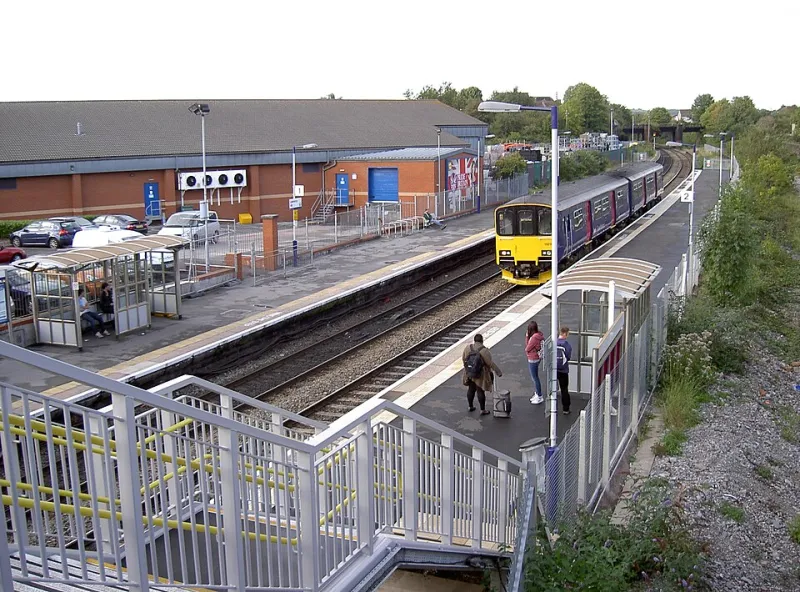
Photo: Neil Owen , CC BY-SA 2.0, via Wikimedia Commons
It is 21:40 on a Tuesday. Two players are still on the M62, one is finishing a late shift in Leeds, and another is staring at a National Rail app that has just turned a 22:15 connection into a bus replacement. The scrim is booked for 22:30. Nobody wants to cancel, so everybody pretends it will be fine. It is not fine. This is the weekly ritual that quietly drains amateur UK squads.
The answer is not more dedication. It is better design. Consistency beats marathon sessions every time, especially when your squad is balancing work, family, commuting and the very British horror of a Sunday timetable. Here is how to build a practice week that survives real life.
Start with the week you actually have
Before you book a single scrim, ask every player to rank three things: best evenings, worst evenings, and the latest they can realistically stay online without wrecking the next day. Put it in a shared calendar. Be honest about travel. The UK may sit in one time zone, but it does not share one rhythm. School runs in Kent, late shifts in Manchester, ferries in Belfast and university deadlines in Glasgow all shape the week differently.
A useful default is two short weeknight blocks and one longer weekend block. That might look like Tuesday 20:00 to 21:15, Thursday 20:00 to 21:30, and Sunday 15:00 to 17:00. The exact times matter less than the pattern. Players should be able to say no to a session without feeling like they have betrayed the badge.
The 60/30/10 session template
A focused 75-minute session should not become a three-hour blur. Try this structure:
- 10 minutes: warm-up and objective check-in. Everyone says what the session is for.
- 45 minutes: the main block. One map, one problem, one repeatable lesson.
- 15 minutes: review. What worked, what broke, what changes next time.
- 5 minutes: admin. Confirm the next session and log one note.
The 60/30/10 label is a reminder, not a law. The point is that every block has a job. A 75-minute session with a clear objective is worth more than a four-hour session where half the squad is eating dinner at the keyboard.
Attendance rules that do not need a courtroom
You do not need a disciplinary panel. You need three simple rules that everyone agrees to before the season starts.
First, RSVP by 18:00 on the day. If you cannot make it, say so early. Second, lateness happens, but silence does not. A message in the group chat is enough. Third, official sessions end at the advertised time unless everyone actively agrees to extend. The default is not 'one more map'.
Subs should be treated as part of the squad, not as emergency cover. Rotate them into practice blocks so they know the calls and the tempo. A squad that only practises with its first five is a squad that panics when real life intervenes.
Avoid the late-night travel trap
The 23:15 scrim is not a badge of honour. It is a burnout delivery system with a headset. If your players are driving, relying on night buses or catching the last train, the session needs to end earlier. Build in a hard stop that leaves at least 30 minutes of buffer before the last realistic journey home.
Use weekend afternoons for longer blocks. Use weeknights for short, sharp objectives. If a player has an early shift, they should be able to skip the review and catch the notes. Record the key points. Write them down. Do not make attendance a loyalty test.
A sample fortnight
| Day | Time | Job |
|---|---|---|
| Tuesday | 20:00-21:15 | Objective block: one map, one setup |
| Thursday | 20:00-21:30 | Review block: VOD clips and comms drill |
| Sunday | 15:00-17:00 | Scrim block with a clear focus |
| Monday | Rest | No official session |
Alternate the focus each fortnight. One cycle works on attack setups. The next works on retakes and communication. Keep the structure stable and change the content.
Measure consistency, not hours
At the end of each month, look at attendance percentage, how often the session objective was completed, and whether players can name one thing they learned. Four weeks at 80% attendance beats one heroic weekend of ten hours followed by three weeks of silence.
Anubis Team is built on sharp preparation, not endless grinding. The last train is not the enemy. It is a design constraint. Build around it, and your squad will still be practising in February when the rest have quietly disappeared.