After the Final Whistle: The Anubis Review Ritual for Squads Allergic to Meetings
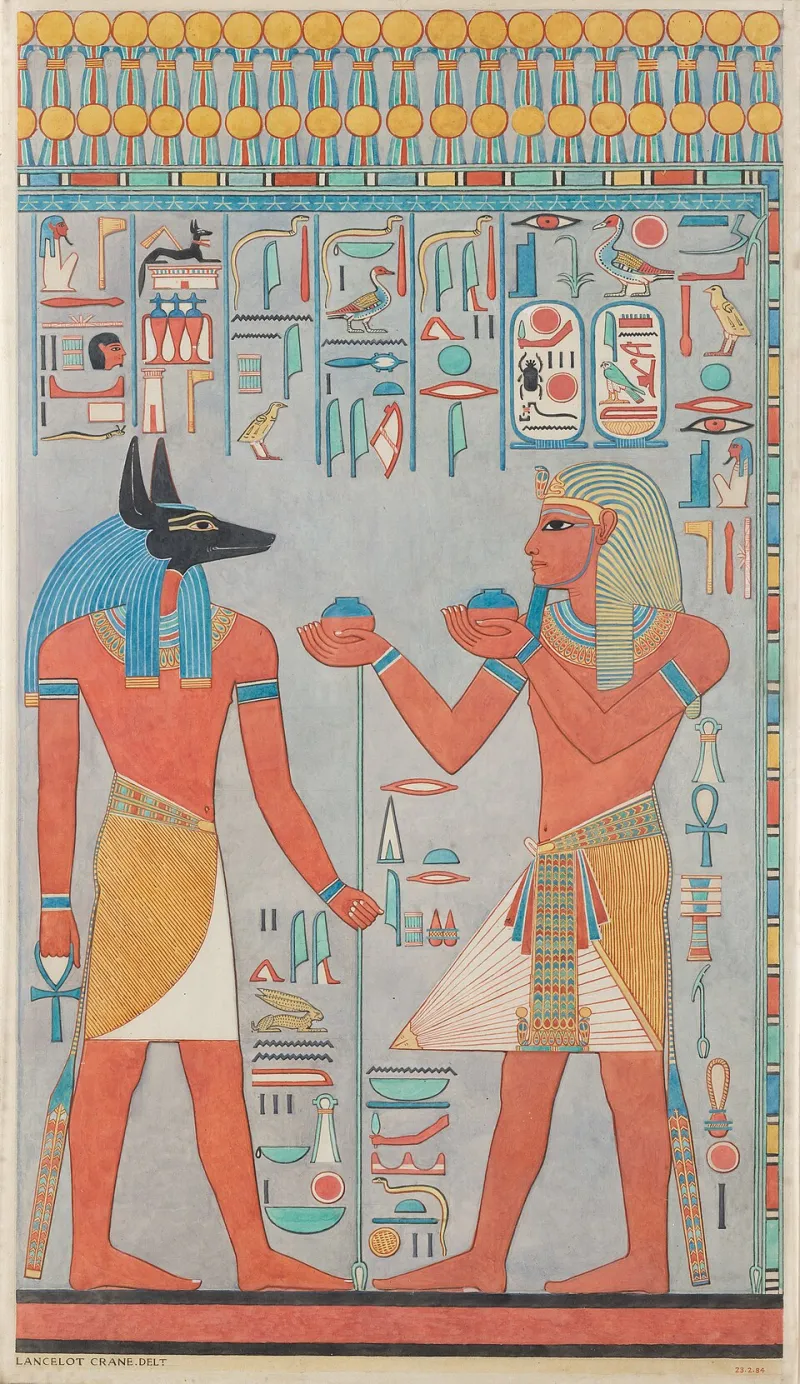
Photo: Creator:Lancelot Crane, CC0, via Wikimedia Commons
Anubis held the scales. The heart went on one side, the feather of truth on the other. The point was not punishment. The point was measurement. Most amateur UK squads could use a version of that ritual, because our end-of-season reviews tend to collapse into one of two shapes: a vague chat that changes nothing, or a blame session with a group chat hangover.
This is an opinion, but it is an opinion shaped by watching good squads lose the same way twice. We are quick to review a match. We are terrible at reviewing a season. The result is that the same logistics problems, the same communication gaps and the same mentality leaks follow us into the next campaign like a bad touring schedule.
Why the usual review fails
A standard review sounds like this: someone says we need to be more consistent, someone else says we need to communicate better, and then everyone agrees to try harder. Nobody writes anything down. Nobody owns anything. By the next season, the squad has changed two players and kept the same unresolved arguments.
The other failure mode is worse. The review becomes a tribunal. Who threw? Who missed the call? Who was late? Those questions feel honest because they are specific, but they usually reward the loudest voice rather than the clearest thinking. A squad that spends its review hunting a culprit will spend the next season hiding mistakes.
Set the room before the scales
You do not need a conference room or a facilitator. You need 45 minutes, a shared document and a rule: no ranking talk until the final ten minutes. Before the meeting, every player writes three lines privately. One win they are proud of. One grind they want acknowledged. One thing they would change about how the squad works.
Those lines are not read aloud word for word. They are raw material. The point is to get people thinking before they start reacting. If someone cannot write three lines, that is useful information too.
The four plates
Anubis weighed one heart. We should weigh four plates.
Results: not just wins and losses, but whether the squad met the goals it set. Did we improve on the maps we said we would improve on? Did we beat the teams we should have beaten?
Communication: clarity, timing, tone and tilt. Did calls arrive early enough? Did people speak up when they were lost? Did the group chat stay useful after a bad night?
Mentality: preparation, resilience and accountability. Did we arrive ready? Did we recover from a bad map? Did we own mistakes without turning them into a personality flaw?
Logistics: attendance, punctuality, setup, travel and scheduling. This is the plate UK squads most often ignore, and it is the one that quietly decides seasons. If half the squad is commuting home at 22:45, that is not a mentality problem. It is a timetable problem.
The scoring ritual
Each player privately scores every plate from 1 to 5. One means the squad is nowhere near where it needs to be. Five means it is a genuine strength. No half points. No group discussion yet.
Then reveal the scores. Do not average them into a single number and call it truth. Look for the widest gaps instead. If results score 4 across the board but logistics ranges from 1 to 4, you have found the conversation worth having. The feather is not a pass mark. It is a prompt.
The 45-minute ceremony
Five minutes: read the raw facts. Attendance, sessions held, map record, goals set at the start. No commentary.
Ten minutes: silent scoring. Everyone fills in the four plates alone.
Fifteen minutes: discuss the widest gaps. Ask what made the low score low and what made the high score high. Do not defend. Clarify.
Ten minutes: each player names one thing to keep, one thing to change and one thing to stop. The group then picks a maximum of two changes for next season.
Five minutes: assign an owner and a date to each change. A change without a name is a wish.
Prompts that stop blame
Use questions that open the problem rather than close the person. What made that hard? What did we need that we did not have? Where did we lose time? What would a new player have seen? What did we keep pretending was fine?
If a player says the comms were bad, ask for a specific moment. If they say attendance was poor, look at the calendar before you look at the person. UK amateur squads often have university terms, shift patterns and family commitments that make a Tuesday session impossible for one player and perfect for another. The ritual should surface that, not turn it into a character flaw.
One or two changes, not ten
A review that produces a twelve-point manifesto is a wish list with formatting. Pick one or two changes and make them concrete. Maybe Thursday sessions start 30 minutes earlier. Maybe every session begins with a two-minute check-in. Maybe the squad agrees to post a short note after every loss so the next practice has a focus.
At the midpoint of the next season, revisit the scales. Did the change happen? Did it help? If not, the ritual was theatre. Anubis weighed the heart against the feather. We weigh our season against the squad we said we would be. That is uncomfortable, but it is useful. And it is far better than another meeting where everyone agrees to try harder.