Borrowed Aim, Real Bill: The Ringer Problem Hiding in UK Amateur Squads

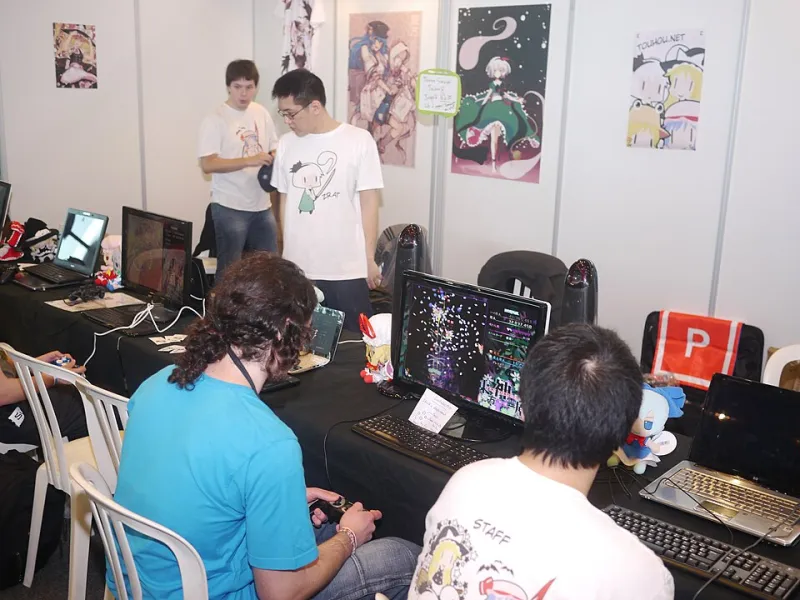
Photo: UK amateur esports team discussing strategy at computers in gaming room, via upload.wikimedia.org
There's a moment every UK amateur captain recognises. You're a player down before a cup, someone says "I know a guy", and the guy arrives with a fresh account, a suspiciously clean aim, and a story about being "new to the game". Two maps later you've won, the Discord is buzzing, and nobody asks the question that matters: what did that actually cost us?
This isn't a moral lecture. It's an invoice.
The short-term sugar rush
Ringers feel like a fix because they are one — briefly. A borrowed ace can drag a struggling roster through a group stage, cover a holiday absence, or turn a Thursday scrim into a highlight reel. In UK amateur circles, where squads are often five friends, a Discord server, and a shared calendar held together by goodwill, the temptation is obvious. One strong player can paper over a lot of cracks.
But paper is paper. The cracks are still there.
Where the bill actually lands
The first cost is eligibility. Most UK amateur leagues and cup organisers have rules about account sharing, smurfing, and roster declarations. They are not always enforced loudly, but they are enforced. A ringer who plays under a false rank or a borrowed account can invalidate your result, forfeit your entry fee, and — in the worst cases — get your team removed from a competition mid-season. That's not a hypothetical; admins talk to each other, and alt accounts are easier to trace than the person running them thinks.
The second cost is trust. Your squad learns that the answer to a problem is a temporary outsider. The sub who has been grinding all season sees the message clearly: we'd rather borrow than develop. That's a quiet morale tax, and it compounds.
The third cost is development. Every round a ringer takes over is a round your actual players don't learn from. You don't get better at clutch retakes by watching someone else do them. You get better by failing them in a scrim, reviewing the VOD, and failing them slightly less next time. Ringers skip that queue for you.
The eligibility fine print UK captains skip
Most UK amateur competitions ask for a main account, a rank, and a roster lock. Some ask for proof of residency or age. Almost none ask you to sign a document promising you've read the rulebook — but you should. The rulebook is where the phrase "spirit of the competition" lives, and that phrase is a trapdoor. If an admin decides your ringer was against the spirit of the competition, you can lose more than a match. You can lose your place in the next one.
There's also the practical problem of the smurf's own history. A ringer with a clean alt might have a main account with a ban, a rank far above the league cap, or a trail of abandoned teams. You are not just borrowing their aim; you are borrowing their reputation. In a small UK scene, reputation travels faster than any Discord invite.
Tryout checks that don't need a private investigator
You don't have to become a detective to protect your squad. You just have to ask boring questions early.
Start with a simple main-account request. Not an alt. Not a "I'll send it later". A main account with a visible match history and a rank that fits your league. If someone won't share it, that's information.
Ask for two references — not character references, but team references. Who did you play with last season? Who can vouch for you? A genuine player will have names. A ringer will have excuses.
Run a structured tryout. Not a single scrim where they pop off, but two sessions: one with comms, one without. Watch how they treat mistakes. Watch whether they blame, coach, or go quiet. Aim is easy to fake for a night; behaviour isn't.
And check the calendar. A ringer often can't commit to a full season because they're already committed elsewhere. Ask about availability before you ask about rank. If they can only play cup weekends, they're a guest, not a signing. Guests are fine — if everyone agrees they're guests.
When the main account surfaces
It will happen. Maybe an admin asks, maybe a teammate recognises the name, maybe the ringer slips and joins a voice channel on the wrong account. The moment is awkward, and the temptation is to manage it quietly.
Don't. Quiet management is how squads split.
Call a short meeting — fifteen minutes, no gameplay. State what you know, without drama. Ask the ringer directly: is this your main? If yes, what's the rank? If the rank is above your league cap, you have a decision to make, and it's not a moral one. It's a competitive one: do you want to win with a player who can't legally play for you next season?
Then decide as a squad, not as a captain alone. Some teams will choose to keep the ringer as a practice partner — someone to scrim against, not with. That's a legitimate compromise. Others will part ways. Both are fine, as long as the conversation is honest and the rest of the roster isn't left guessing.
What honest recruitment looks like
Honest-rank recruitment is slower. It means posting in the right Discords, running open tryouts, and accepting that your fifth player might be a Gold who communicates well rather than a Diamond who doesn't. It means building a bench of subs who actually want to be there. It means treating your league's rank cap as a feature, not an obstacle — because the cap is what makes amateur competition worth watching.
It also means paying the real bill up front: a few weeks of mediocre scrims, a few awkward conversations, a few players who don't work out. That's cheaper than a forfeited season.
The bottom line
A ringer is a loan against your squad's future. Sometimes the loan is worth it — a one-off charity cup, a friendly, a practice block where everyone knows the score. But in league play, the interest is brutal. You pay in eligibility, in trust, and in the development of the players who actually show up every week.
Borrowed aim wins a map. Honest ranks win a season. In UK amateur esports, the second one is the only currency that spends.