The Fifth Player Problem: Keeping Subs Useful After the Festive Break

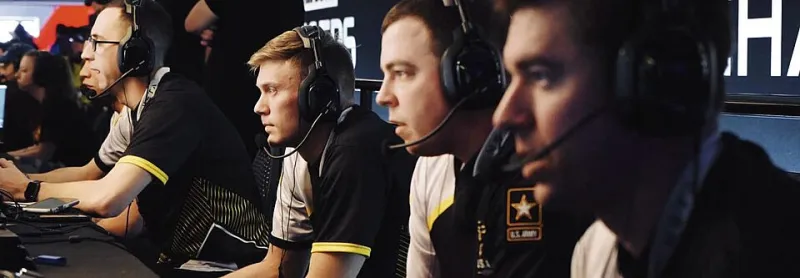
Photo: Unknown authorUnknown author, CC0, via Wikimedia Commons
January is the month UK squads find out what their roster actually is. The group chat goes quiet, the Tuesday scrim is half-booked, and the sub who was going to be ready if needed has stopped replying. Nobody planned for that. It just happened, because the bench was never a plan. It was a spare tyre.
That is the problem. In a lot of UK competitive squads, the substitute is treated as emergency cover: someone to ring when a starter has a bad connection, a work shift, or a sudden loss of interest. The sub gets the call, plays two maps, then goes back to waiting. It is not a punishment in name, but it feels like one in practice. By January, most people can tell the difference between being part of a squad and being on a standby list.
The bench is not a spare tyre
A spare tyre is useful, but nobody wants to be one. The moment a sub is only mentioned when something goes wrong, their status inside the squad changes. They stop hearing the calls that matter. They stop being invited to the review. They become a name on a spreadsheet with a headset.
UK competitive squads are especially prone to this because the scene is small and the calendar is messy. University term dates do not line up. Rail replacement buses eat Saturdays. People move cities for work. A squad that looks stable in October can be held together with tape by February. If the only plan for the fifth player is hope, the squad is already weaker than it thinks.
Why January exposes the setup
The festive break is a natural reset, and resets are where casual arrangements fall apart. People come back with new timetables, new budgets, and a fresh sense of whether the squad is worth the train fare. A sub who spent November feeling like an afterthought is not suddenly going to feel loyal in the new year.
There is also a competitive cost. A bench player who only scrims in emergencies cannot build chemistry with the starting five. They do not know the tempo of the mid-round calls, the little habits of the entry player, or the way the squad reacts after a lost pistol. Throwing them into a must-win match and expecting clean integration is unfair. It is also bad tactics.
A rotation model that fits real life
Start with roles, not minutes. Equal game time is a nice slogan, but it is not how competitive squads work. Fairness is predictability. A sub should know what they are preparing for, when they will play, and what success looks like.
A simple model for a UK squad with one or two subs:
- Core starters get the majority of scheduled maps, around 70 to 80 per cent, and own the main call-outs and defaults.
- Flex sub gets a named map, role, or composition and at least one full scrim block each week. They are not cover. They are a specialist with a job.
- Development sub gets practice reps, a review responsibility, and a clear list of what they need to improve. They may play fewer official maps, but they are still in the room.
Run it on a four-week cycle. Week one is baseline: normal scrims and review. Week two gives the flex sub a full block and a map they have prepared. Week three is map-specific work where the sub owns a section of the plan. Week four is review and reset, with the next block published before anyone logs on.
The important bit is that the rotation is published in advance. Not after a loss. Not as a threat. Not as a reward for good behaviour. A schedule turns the bench into a role. A surprise turns it into a punishment.
Fairness is a schedule, not a slogan
Squads get into trouble when they say everyone gets a fair chance and then make every decision in the moment. The sub hears we will see how it goes and correctly interprets it as you are not really in the plan.
Be specific. If the starter is underperforming, say what needs to change and over what period. If the sub is being considered for a map, give them the map, the role, and the review criteria. If the answer is no, explain why without turning it into a character judgement. Competitive selection can be ruthless and still be clear.
There is also a communication habit that costs nothing: give the sub a job in comms even when they are not playing. Let them track utility, take notes on the opponent, or run the post-match review for one map. It keeps them inside the squad's language. It also gives the starters a reason to respect them as more than a backup.
Retention tactics that do not cost a fortune
Retention is not always about paying people. It is about removing the small frictions that make a bench player drift. Cover their travel where you can. Make sure they have a working headset and the right permissions on the server. Check in before exams, not after they have gone silent. Ask about work shifts before you book a Sunday scrim.
Recognition matters too. A sub who prepares a map and never hears about it will stop preparing. A sub who gets a shout-out in the review for a good read or a clean utility line is more likely to stay engaged. It sounds soft, but it is just basic squad management.
Finally, give people a way out that is not a ghosting. If someone cannot commit, ask whether they want a development role, a coaching role, or a clean break. An exit interview is not corporate nonsense. In a small UK scene, the person you treat well on the way out may be the person who recommends you to the next player.
The bench is not a punishment. It is a job in the squad, and it needs a rota, a reason, and a bit of respect. Squads that work that out before January are the ones that still have five players in February.