Derby Day, Discord Night: Giving Your UK Squad a Season-Long Foil

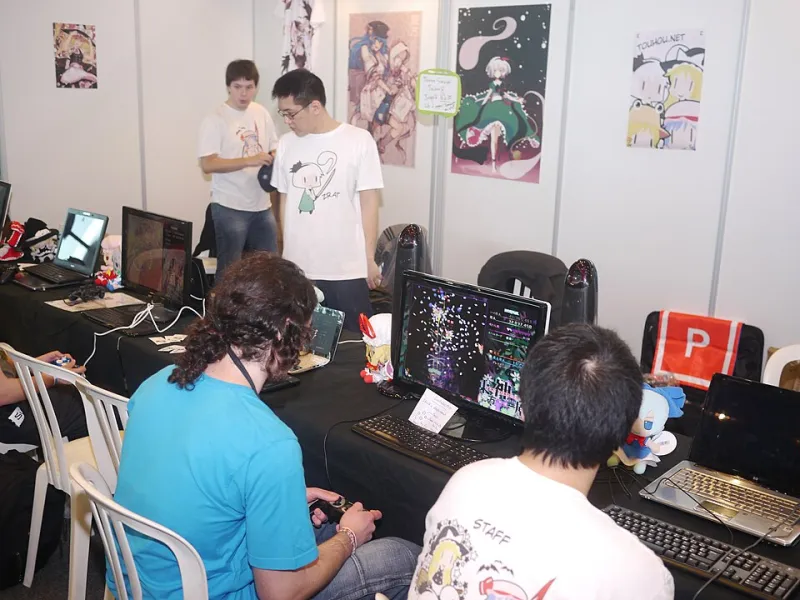
Photo: Yoheadshot, CC BY-SA 4.0, via Wikimedia Commons
British squad culture has borrowed plenty from football. We have the chants, the away days, the inflated sense of justice when a decision goes against us. What we rarely borrow is the fixture list. Most UK teams drift from scrim to scrim, from patch to patch, with no fixed opponent and no season-long story. That is a missed trick. A named rival — not an enemy, not a grudge, just a peer squad who agree to meet again — is one of the cheapest retention tools a team can build. It gives players a reason to show up in February when the group chat has gone quiet.
Pick a peer, not a punchbag
The first rule of a good rivalry is that both sides have to get something out of it. Do not pick a team far above your level and call it ambition. Do not pick a team far below and call it confidence. Look for a squad at roughly the same standard, with similar availability, a comparable game pool, and an admin who actually replies to messages. You want a foil, not a fixture filler.
Scout through the places where UK grassroots teams already gather: Discord leagues, local LAN nights, community tournaments, even the leaderboard of a weekly cup. Watch how a prospective rival behaves when they lose. If they blame lag, rage-quit, or start tagging people in outside channels, walk on. A good rival makes you raise your floor, not your blood pressure.
There is also a practical side. Check that their usual match nights fit yours. A rivalry that needs a spreadsheet, three reschedules, and a hostage negotiation every fortnight will not survive. The best derbies are repeatable, not heroic.
The fixture list is the retention tool
Once you have found a peer, agree a short season series rather than a one-off. Four match nights across 2026 works well: two home, two away. Home does not need to mean a coach trip. It can mean hosting the server, choosing the map pool, or picking the side for the opening round. Keep the rules simple enough to explain in one message. A win is three points, a draw is one, and a forfeit is zero. Publish the table somewhere everyone can see.
The key is the calendar. Put the dates in the server, pin them, and treat them like actual fixtures. The fixture list does the nagging so the captain does not have to. Players who would ignore a vague request to practise will often turn up for a named derby because it means something. That is not fake motivation. It is structure, and UK squads thrive on structure more than they like to admit.
Write the banter rules before you need them
A rivalry without rules becomes a chore. Before the first match, agree a short code of conduct with the other captain. Target the play, not the person. No pile-ons. No slurs. No dragging in people who are not in the server. Keep the trash talk in one channel and keep it to match nights. If someone crosses a line, captains deal with it privately rather than letting the group chat turn into a tribunal.
Banter is the soundtrack, not the sport. The test is simple: if a joke needs a screenshot from outside the server to land, it is not banter. It is homework for a row. A rivalry should make the next fixture feel bigger, not make someone dread opening Discord.
Make it work for recruitment and content
A rivalry gives a squad a story, and stories travel. A new player is more likely to join a team with a fixture list than a team with a vague promise of regular scrims. Post the results. Clip the highlights. Stream the derby night if you can do it without turning the evening into a production meeting. You do not need a broadcast deal. A clean overlay, a fixed start time, and a bit of honesty about the score will do more than a glossy trailer.
This is where Anubis Team’s own squad mindset comes in: the content should serve the team, not the other way round. If filming derby night makes players late or distracted, bin it. If it gives people a reason to bring a friend along, keep it.
What grassroots organisers say
The organisers who run UK community nights tend to say the same thing: derbies last when the admin is boring. Fixed dates, shared rules, neutral referees for disputes, and a clear end point. One bad night should not cancel the series, but repeated bad nights should. The friendliest rivalries are not the ones with the sharpest jokes. They are the ones where both captains know when to call time.
Start small, keep it clean
Do not launch a six-month league with trophies and a website. Start with one game, two nights, and a simple points table. Review it after the second match. If it was fun and people turned up, extend it. If it was toxic or chaotic, end it without drama. A rival is a commitment, not a beef. Pick well, write the rules down, and let the fixture list do the quiet work of keeping your squad together.