Recruiting for the Room, Not the Reel: An Anubis Tryout Scorecard
Photo: esports team tryout debrief scorecard notebook, via mpost.io
A highlight reel can make anyone look like the answer to your roster problems. Ten seconds of flick shots, a one-versus-four clutch, a neat little teabag at the end. Then you invite the player into a proper session and discover they call nothing, argue with the coach, and treat every lost round as a personal insult. At Anubis Team, we have a phrase for what we are actually looking for: weighing the heart. It is not soft. It is the difference between recruiting a clip and recruiting a teammate.
The Highlight Reel Is a Liar
Reels are edited by definition. They show the best moment, not the boring middle. They do not show whether a player listens to a mid-round correction, whether they can hold a angle without demanding the ball every round, or whether they go quiet when the team is losing. For UK amateur and competitive squads, the cost of a bad recruit is not just one player underperforming. It is the practice week that turns into a therapy session, the Discord that gets quieter, the two players who leave because the atmosphere has gone sour.
That is why tryouts need a structure. Not a vibe check, not a popularity contest, and not a mechanical audition with a pulse. A proper tryout is a small piece of research. You are testing whether this person makes the room better.
What Heart Actually Looks Like
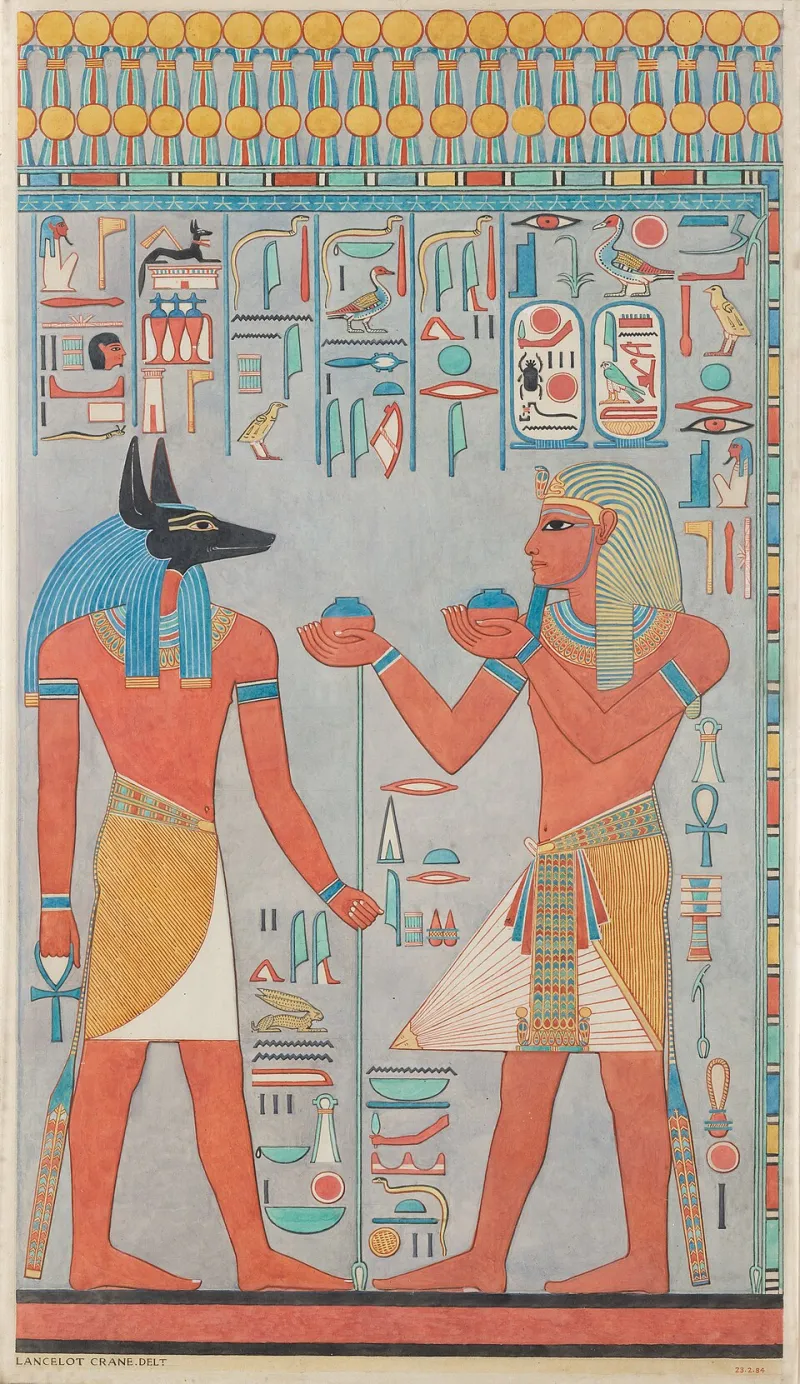
The old myth of Anubis weighing a heart against a feather is a useful metaphor here. The feather is the raw mechanics: aim, movement, utility, the stuff that shows up in a clip. The heart is everything that decides whether those mechanics become a team asset or a highlight-reel liability. Comms. Coachability. Composure. Team fit. Those are not soft skills in a squad; they are performance skills.
Comms is not just talking. It is timing, clarity, and restraint. A player who fills the voice channel with noise is worse than a player who says three useful things. Coachability is whether a player can take a correction without treating it as an attack. Composure is what happens after a bad first half. Team fit is whether the player makes the other four want to queue again.
The Session Structure
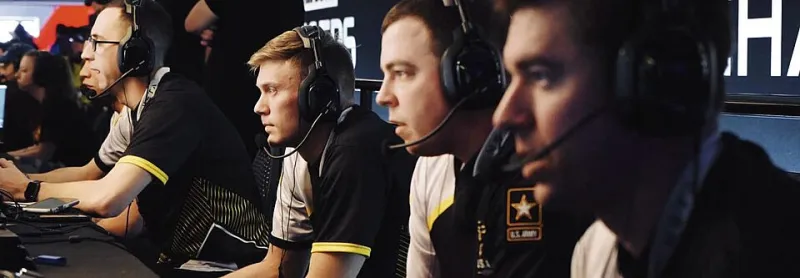
Run tryouts as a fixed session, not a casual night with a maybe. Start with a short pre-brief: roles, expectations, comms style, and the fact that this is a two-way audition. Give the player a warm-up block so nerves do not decide the result. Then run a mechanics block with repeatable drills, not just ranked chaos.
Next comes the part most tryouts skip: a coached block. Put the player in a structured game, give one or two clear corrections, and watch what happens next. Do they adjust? Do they ask a sensible question? Do they sulk? Then finish with a cool-down debrief where everyone says one thing that worked and one thing to improve. Keep it short. The tryout should feel demanding, not hostile.
The Anubis Scorecard
Use a simple scorecard out of ten for each category, with weights agreed before the session. A workable starting point is mechanics 30%, comms 25%, coachability 20%, composure 15%, and team fit 10%. The numbers are not sacred. The point is to stop mechanics from steamrolling everything else.
Mechanics covers aim, movement, decision speed, and role competence. Comms covers clarity, timing, useful information, and listening. Coachability covers response to feedback, willingness to adjust, and questions that show understanding. Composure covers tilt resistance, silence under pressure, and how they treat teammates after a mistake. Team fit covers punctuality, attitude, humour, and whether the room gets better or worse when they join.
Score independently before discussing. If three people watched the same session and all gave the player a nine on mechanics but a three on comms, you have your answer. A highlight reel who cannot play the team game is exactly the recruit this scorecard is designed to catch.
Fairness Rules
A tryout is only useful if it is fair. Use the same maps, the same roles, and roughly the same level of opposition for every candidate. Do not stack the lobby to make your favourite look good. Do not let the loudest person in the Discord run the whole session. If possible, have someone who is not playing observe and take notes.
Also be honest about the process. Tell candidates what they will be judged on before the session starts. Give them a clear timeline for a decision. A tryout is a two-way street; the player is also deciding whether your squad is worth their time. Treat them like an adult and you will get a more honest read.
Red Flags and Green Flags
Red flags are not missed shots. They are the player who blames the server every round, talks over the in-game leader, argues with a correction, or goes completely silent when the team is losing. Green flags are the player who calls their own mistake, asks a useful question, resets the mood after a bad round, and makes the next person feel like they can speak.
One good tryout does not guarantee a good signing, but a structured one gives you evidence. Weigh the heart as well as the highlight. The squad that recruits for the room, not the reel, is the squad that survives a season.